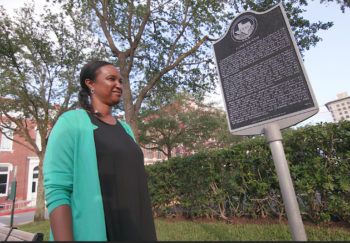
Commemorating Juneteenth
Reflections on the history and importance of the new national holiday.
Updated June 16, 2022.

Businesses and schools across the United States, including Texas A&M University, are officially observing Juneteenth for the second time this week after President Joe Biden signed a bill into law last year making it a federal holiday.
The measure was passed in the House and Senate with bipartisan support. Traditionally a Texas-centered event not taught in history textbooks across the country, Juneteenth commemorates the day thousands of slaves finally learned of their freedom on June 19, 1865 when Union Army Gen. Gordon Granger arrived at Galveston Island and read General Order No. 3.
Texas A&M former student Sam Collins III ’93 is the co-chair of the Juneteenth Legacy Project. Despite the issuance of the Emancipation Proclamation on Jan. 1, 1863, it would take 2 1/2 more years for the news that enslaved Africans were freed to make its way to the westernmost Confederate hold in the country. Collins said the Galveston was the commercial center of Texas at the time, and considered the “New York of the South.”
“Many individuals see it as just another day, but it’s important to the former enslaved and the descendants of the former enslaved because it took individuals from being property, or seen as property, to being recognized as human beings,” Collins said.
Black history is important “because it’s American history,” said Carol Bunch Davis, assistant vice president for academic affairs at Texas A&M-Galveston.
“The more emphasis that we put on how those are intertwined, that they’re not separate entities, the closer we are to living out what the nation’s promise is supposed to be,” Davis said.